Ignition Interlock Devices 101: How They Affect Insurance
This informational blog provides information about car insurance after a DUI. It is not legal advice. Always consult a qualified DUI attorney to assist with drunk driving charges. If you have immediate questions about SR-22 insurance, call a Breathe Easy licensed insurance agent at (833) 786-0237.
In addition to getting an SR-22 form, you may also be required to install an ignition interlock device, or IID, after a DUI to reinstate your driving privileges.
If you receive a DUI, you may have more to handle than higher insurance costs and an SR-22 or FR-44 filing. Depending on your state, your case, and your driving record, you may also need an ignition interlock device, often called an IID.
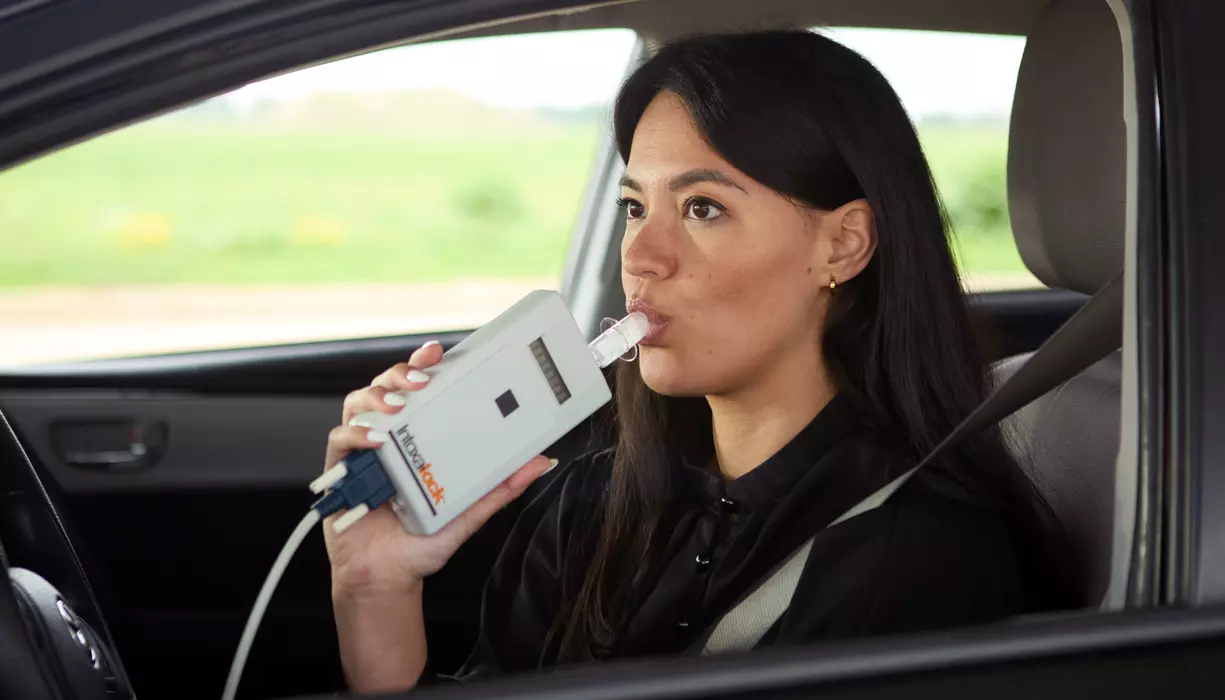
An IID is a breath-testing device installed in your vehicle. Before you can start the car, you must provide a breath sample that shows your alcohol level is below the device’s set limit.
An interlock device is not related to auto insurance or your SR-22, but the two requirements often go together following a DUI charge, so it’s helpful to learn about both items.
This article provides general information, not legal advice, about insurance after a DUI. If you need help getting SR-22 insurance after a DUI, call a Breathe Easy Insurance Solutions licensed agent at (833) 786-0237.
What Is an IID?
An ignition interlock device is a small electronic device connected to your vehicle’s ignition system. It requires a breath test before the vehicle can start.
You may need an IID after a DUI or DWI. Your court or state driving authority may require it before you can drive again, retain a restricted license, or reinstate your full driving privileges. The exact rules vary by state and by the details of your case.
An IID is separate from your insurance policy. However, many drivers who must install an IID after a DUI also need to carry SR-22 insurance. In Florida and Virginia, you may need an FR-44 instead. Breathe Easy can help you understand the insurance side of the process.
If you want to speak to an ignition interlock provider, give us a call at (833) 786-0237 and we can connect you to Intoxalock. Breathe Easy Insurance Solutions is part of the Mindr family of brands which includes Intoxalock, DUI.org, and Keepr.
How an IID Works
The IID asks you for a breath sample before you start your vehicle. If your breath alcohol concentration, also called BrAC, is below the device’s preset level, the vehicle can start. If it is too high, the vehicle will not start. The state required preset level is often lower than the 0.08% standard legal driving limit (0.05% in Utah). NHTSA says many IID programs use a limit of 0.02.
Most interlock programs also require you to take additional breath tests after you begin driving, called random retests. The device alerts you when a retest is required and gives you time to pull over safely and provide a new breath sample.
A failed or missed random retest does not shut off a moving vehicle. That would create a safety risk. Instead, the device records the event and may trigger an alert, such as a horn or lights, depending on your state’s program rules.
What Happens if You Fail an Ignition Interlock Test? Read more from our partner brand, Intoxalock.
Your IID records test results and other activity. You will usually need regular maintenance service, too. Your monitoring agency or state program may review that information as part of your compliance requirement.
Do IIDs Fit Every Vehicle?
Ignition interlock devices are compatible with most vehicles; however, it does depend on the age of your vehicle and its electrical system. All modern makes and models of cars, SUVs, and pickup trucks that meet installation guidelines work with IIDs.
You can install an ignition interlock device on many electric or hybrid vehicles, too. But finding a qualified installation technician may be harder because not all service centers can perform these installations.
Older vehicles can sometimes be easier to equip with an interlock device because they often have simpler electrical systems.
When You May Need an Ignition Interlock Device
You may be required to install an IID after a DUI, but the requirement is not the same in every state. Your state may consider:
- Whether this is your first DUI or a repeat offense
- Your blood alcohol concentration (BAC) at the time of arrest
- Whether you refused a chemical test
- Whether your DUI involved a crash, injury, or other serious factors
- Whether you are applying for a restricted license or full license reinstatement
- The order from the court, DMV, or other state authority
The National Conference of State Legislatures tracks how many states have interlock requirements. According to the March 2024 review, 31 states and the District of Columbia had laws requiring IIDs for all DUI offenses, including first-time offenses. Other states limit mandatory IID use to certain cases.
Check your state’s IID laws here. Source: NCSL
Do not assume an SR-22 requirement automatically means you need an interlock, or that an interlock requirement automatically means you need an SR-22. Both can result from a DUI, but they are different requirements.
Requirement | What it does | Who usually sets it |
Ignition interlock device | Requires a breath test before you can start and operate your vehicle | Court, DMV, or state IID program |
SR-22 filing | Shows the state that you carry the required auto liability insurance | DMV or state licensing agency |
FR-44 filing | Shows higher required liability insurance limits in Florida or Virginia | DMV or state licensing agency |
The information here isn’t legal guidance. Your attorney and state licensing agency can confirm whether you need an IID and/or an SR-22. A Breathe Easy licensed agent can help you determine what coverage you need and facilitate required SR-22 or other insurance filings.
How Long Do You Need an IID?
Your IID period may depend on your state and the outcome of your case. Some drivers may need the device for several months. Others may need it for one year or longer.
You may need to complete the full interlock period without serious violations before you can remove the device. A missed service appointment, failed test, missed retest, or other violation can lead to added requirements or a longer IID period, depending on state rules.
Before you schedule an installation or removal, confirm your requirements with the authority that oversees your DUI case. Never remove an interlock device early because you believe your requirement has ended. Get confirmation first.
How Much Does an IID Cost?
IID costs vary by provider, vehicle, state, and program. There is no “standard rate” that every driver pays. Your total cost may include:
- Installation
- Monthly lease or monitoring fees
- Maintenance (calibration) and service visits
- Device removal
- Administrative or state program fees
- Fees related to violations or lockouts, if they apply
Ask providers for a full estimate before you choose an IID. You should understand the upfront cost, monthly cost, service schedule, and removal cost. Lease rates, installation and removal fees, and maintenance charges can all vary by location and program rules, which is why you need a personalized quote based on your unique circumstances.
If cost is a concern, ask your state IID program whether financial assistance or reduced-cost options are available.
Money on your mind? Check out these tips for lowering your car insurance costs after a DUI.
Your provider must install the IID through an approved service center. At the appointment, a trained technician connects the device to your vehicle and explains how to use it. Ask the technician about breath-test instructions, service dates, lockouts, mouthpiece replacement, and operating the device in very hot or cold weather.
How Could a DUI Affect Insurance?
An IID does not usually raise your auto insurance rate by itself. The DUI or related violation behind the IID requirement is what can affect your insurance.
After a DUI, insurance carriers may view you as a higher-risk driver. You may face higher premiums, fewer carrier options, an SR-22 or FR-44 filing requirement, or all three. Your rate will still depend on several factors, including your state, driving history, vehicle, coverage limits, location, and carrier.
Keep your insurance active during your required SR-22 or FR-44 period. A lapse in coverage can lead to a new license suspension, more fees, or a longer time before you can regain full driving privileges.
Do not cancel an existing policy until you have a new policy in place and know that the new insurance carrier can complete the required SR-22 or FR-44 filing. Keeping continuous coverage protects your license and helps you avoid unnecessary problems.
How to Prioritize After a DUI
A DUI can create several requirements at once. You may need to handle court dates, DMV deadlines, an IID, license reinstatement, and high-risk auto insurance. It’s hard to know where to start. This is not a comprehensive list and doesn’t necessarily follow a prescribed order, but you can generally expect to need to complete these items depending on your DUI case:
- Confirm your IID requirement with your attorney, court, DMV, or state licensing agency.
- Find an approved IID provider and ask about installation, monthly costs, service visits, and reporting requirements.
- Check whether your state requires an SR-22 or FR-44 filing.
- Get the required insurance in place before you drive.
- Keep your insurance active and attend all required IID service appointments until your requirement ends.
The Breathe Easy Difference
Ignition interlocks are designed to prevent impaired driving. They can be an important part of regaining your driving privileges after a DUI. Breathe Easy Insurance Solutions is here to help with the insurance part of that process. For help finding SR-22 or FR-44 coverage after a DUI, call a licensed Breathe Easy agent at (833) 786-0237.